
Smart Bathroom Remodeling Tips to Save Money and Avoid Stress
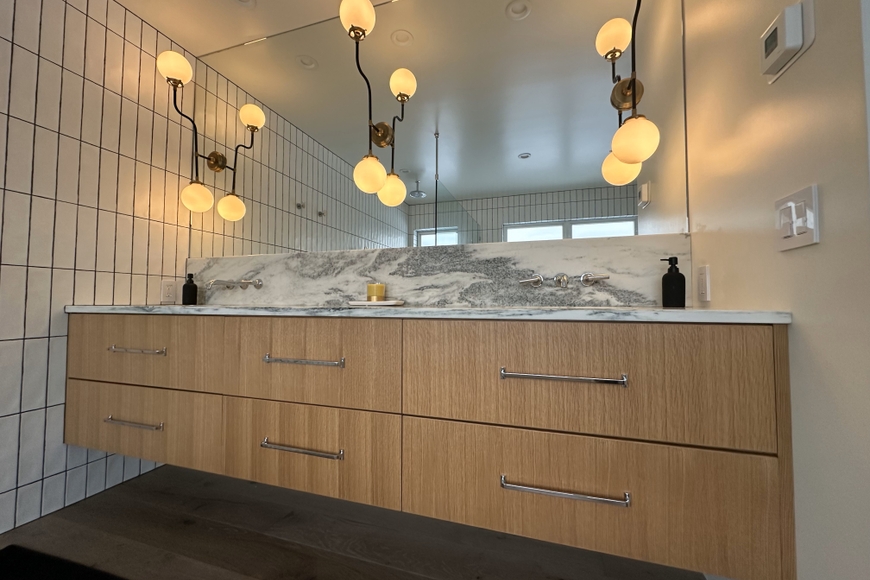
Photo credit: Builder Specialties KITCHEN+BATH, Stowe, VT Floating Vanity Project
by Emily Graham, Mighty Moms
Vermont homeowners and property sellers often hit the same wall: a bathroom remodel feels urgent, but every choice seems like it could blow the budget or delay a sale. The most common bathroom remodeling challenges show up early, conflicting advice, surprise repairs behind old finishes, and the pressure to make bathroom design updates that won’t look dated next year. Add everyday logistics like sharing one bath and coordinating trades, and bathroom renovation frustrations can turn simple remodeling planning into decision fatigue. A clear starting point turns the chaos into a focused project.
Quick Bathroom Remodel Takeaways
- Set a clear bathroom remodeling budget to guide decisions and reduce surprises.
- Prioritize high-ROI bathroom fixtures that improve daily use and resale appeal.
- Choose realistic DIY bathroom renovation tasks to save money without adding stress.
- Bring in professional remodeling services when complexity or risk could derail the project.
Build a Realistic Budget and Pick Upgrades That Pay Back
A bathroom remodel goes more smoothly when your budget matches your priorities, and your choices are easy to compare. Use the tips below to control costs, choose high-return upgrades, and keep decisions moving without paperwork chaos.
- Start with a “must-do vs. nice-to-have” budget map: Take the quick decisions you already made (layout, must-have functions, target finish level) and translate them into three buckets: Musts (can’t live without), Shoulds (strongly prefer), and Coulds (only if the numbers work). Put a rough dollar cap next to each bucket, then keep a 10–15% buffer for surprises like hidden water damage. This keeps you from overspending on finishes before the essentials are covered.
- Get pricing reality fast with three comparable quotes: Ask for three bids that cover the same scope, same fixtures, same tile area, same prep work, so you’re comparing apples to apples. If a quote is vague (“install vanity”), ask for a line that includes removal, disposal, plumbing reconnect, and any wall repair. Your goal is not the cheapest number; it’s the quote that’s clear enough to prevent add-ons later.
- Rank upgrades by “daily use + buyer appeal” for better payoff: High-return bathroom fixtures are usually the ones people touch every day and notice immediately: a solid, easy-to-clean vanity top, a comfort-height toilet, a quiet exhaust fan, and a shower system that feels reliable. If you’re selling soon, prioritize clean lines and broad-appeal finishes over niche trends; if you’re staying, prioritize comfort and maintenance. A simple rule: if it improves function and looks, it usually earns its spot in the budget.
- Choose cost-effective upgrades that look custom without custom pricing: Keep the footprint if plumbing is working, moving a toilet or shower can blow up the budget quickly. Put money into upgrades that read “fresh” on day one: better lighting, a framed mirror, updated hardware, and a quality faucet. If you want tile, use it strategically (shower walls or a small feature zone) and pick a simple, timeless field tile to control labor and waste.
- Use an “allowance” line for items you haven’t picked yet: If you don’t know your exact vanity, tile, or faucet, set a realistic allowance for each category and write it into the plan. That way, your contractor can build a workable quote now, and you can upgrade later by paying only the difference. This prevents decision pressure while still keeping budget planning for remodeling grounded in real numbers.
- Keep quotations and spec sheets in one “Bathroom Binder” system: Create one folder (paper or digital) with four sections: Scope, Quotes, Specs, and Receipts/Warranties. A helpful definition of a project management checklist is a document used to track goals, resources, deadlines, and tasks, and you can use that same idea here: one checklist page that lists every fixture with its model number, finish, price, and “ordered/not ordered.” When a question comes up, "Which drain finish did we choose?", you’ll answer it in seconds instead of reopening ten emails.
These habits keep your upgrade choices intentional and your budget steady, and they also make it much easier to decide which tasks are safe to tackle yourself versus where a pro saves you time, stress, and costly mistakes.
DIY vs Pro: Bathroom Tasks Compared
To keep costs predictable and stress low, it helps to decide early what you can safely DIY versus what should be handled by a licensed pro. This quick table compares common bathroom tasks so homeowners can protect resale value, avoid water damage, and keep timelines realistic, especially when trades are in demand, like plumbers by 2026.
|
Option |
Benefit |
Best For |
Consideration |
|
DIY demo and prep |
Saves labor; reveals scope early |
Removing vanity, mirror, trim |
Dust control; avoid damaging plumbing, wiring |
|
DIY paint and cosmetic updates |
Big visual change for low cost |
Painting, hardware, mirror swap |
Moisture-rated products; careful surface prep |
|
DIY minor plumbing fixes |
Fast, convenient DIY plumbing projects |
Drips, clogs, simple toilet parts |
Misdiagnosis can cause leaks; no workmanship warranty |
|
Pro for rough plumbing and waterproofing |
Code compliance; lower leak risk |
Moving supply lines, shower pan, valves |
Permits and access can add time and cost |
|
Pro for tile and major fixture install |
Cleaner finish; fewer call-backs |
Shower tile, glass, tub set, niche |
Labor-intensive; schedule and material lead times |
A practical rule is to DIY what is easy to undo and hire pros for anything that can trap water behind walls or requires precise connections. If a mistake could force rework or delay inspection, paying for expertise often protects the overall budget. Knowing which option fits best makes your next move clear.
Bathroom Remodel Questions Homeowners Ask Most
Quick answers can make the next decision feel much easier.
Q: How do I create a realistic budget for a bathroom remodeling project without overspending?
A: Start with a written scope that lists what stays, what changes, and your top three nonnegotiables. Build line items for labor, materials, permits, and disposal, then add a cushion since a 15-20% contingency helps absorb surprises without panic spending. To reduce confusion, standardize file names like BathQuote_Plumbing_v3_2026-03-03.pdf.
Q: Which bathroom fixtures and furnishings provide the best return on investment when remodeling?
A: Prioritize durability and broad appeal: efficient lighting, strong ventilation, and easy-to-clean surfaces. A quiet bathroom fan plus a simple vanity, mirror, and updated faucets often reads “new” without moving plumbing. Keep finishes cohesive so future buyers see a calm, consistent look.
Q: What are some simple DIY bathroom updates that can improve the space without professional help?
A: Paint with moisture-rated products, swap cabinet pulls, refresh caulk, and upgrade the mirror and lighting if wiring is already in place. Label boxes and take before photos so you can reverse choices easily. If you're exploring editing PDFs directly, use an online PDF editor to mark up product spec sheets and highlight exact colors, sizes, and model numbers before you buy.
Q: When is it necessary to hire a professional contractor for bathroom remodeling instead of doing it myself?
A: Bring in a pro when waterproofing, moving plumbing, altering electrical, or anything that must pass inspection. If a hidden leak or mis-sloped drain would mean tearing out tile, professional work usually costs less than rework. Ask for a written scope and annotate the quote PDF with questions before signing.
Q: If I need help planning and managing my bathroom remodel, what kind of professional assistance can I seek?
A: You can hire a designer for layout and finish selections, a remodeling contractor for full coordination, or a project manager to handle schedules and trade communication. If you prefer piecemeal support, consult a plumber or electrician for a short paid site visit to confirm feasibility. Keep everyone aligned by sharing one “current” folder and versioned PDFs with your notes.
Small, organized steps add up to a calmer remodel and a bathroom you will feel proud of.
Turn Bathroom Remodel Plans Into Calm, Cost-Smart Results
Bathroom projects can feel overwhelming fast, with multiple bids, shifting timelines, and a dozen small decisions that can quietly raise costs and stress. The steady path to bathroom remodel success is simple: remodel planning strategies: define the scope, document decisions clearly, and stick with smart remodeling choices that match how the home is used and what the local market expects. That approach turns a bathroom renovation summary into a working plan, with fewer surprises, cleaner communication, and more confidence at each milestone. Clear plans and clear paperwork beat expensive surprises. Choose one next step today: pick your final scope and organize your current quotes and notes into a single, shared set of files. This kind of home improvement empowerment protects comfort now and supports long-term stability for both homeowners and future buyers.